Product · Rice
Pakistani basmati, graded by the millimetre.
Basmati from Punjab’s registered GI tract and long-grain from Sindh — white, steam, golden sella and brown — packed from 5 kg to 50 kg for wholesale, food service and private label.
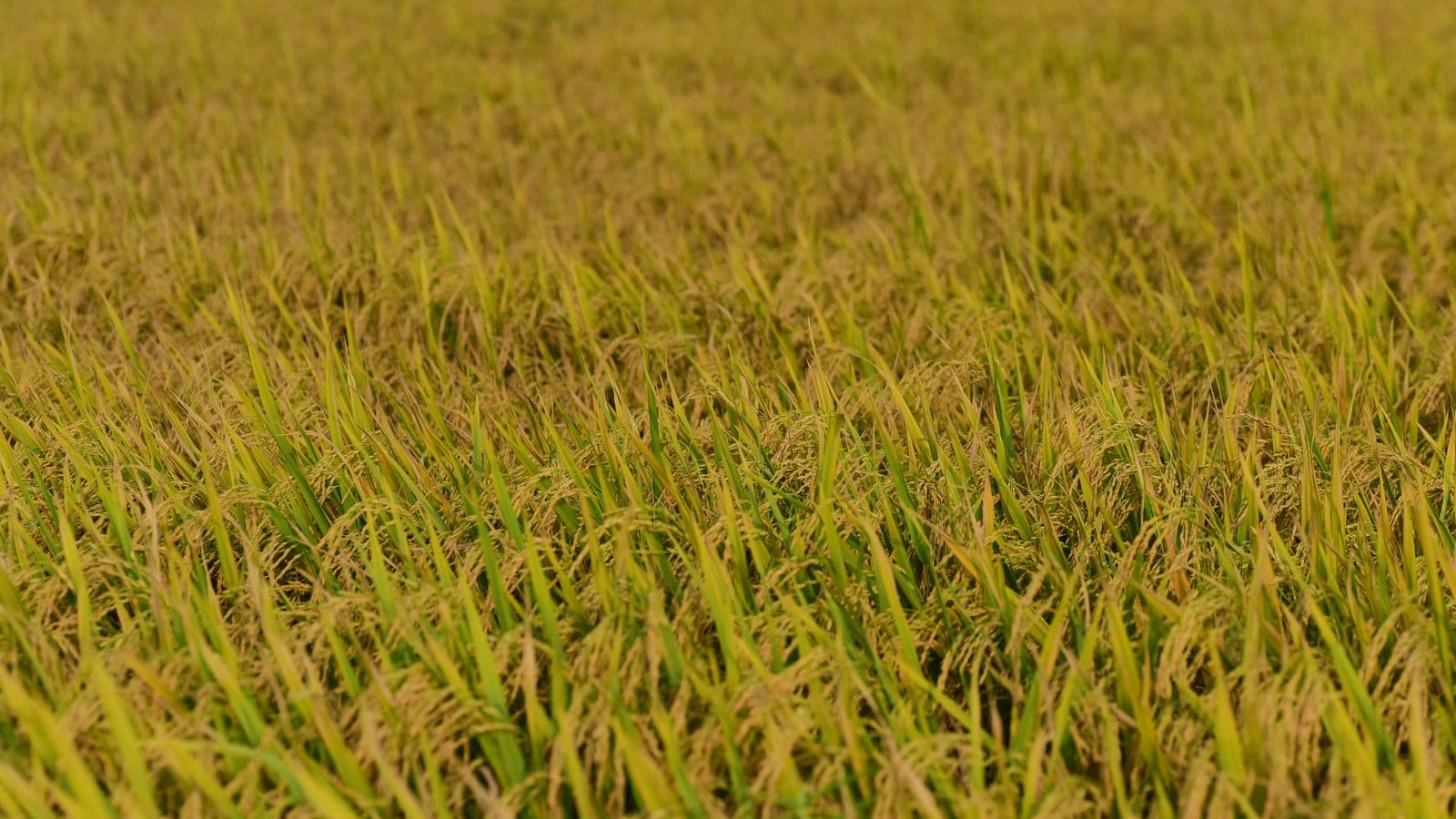
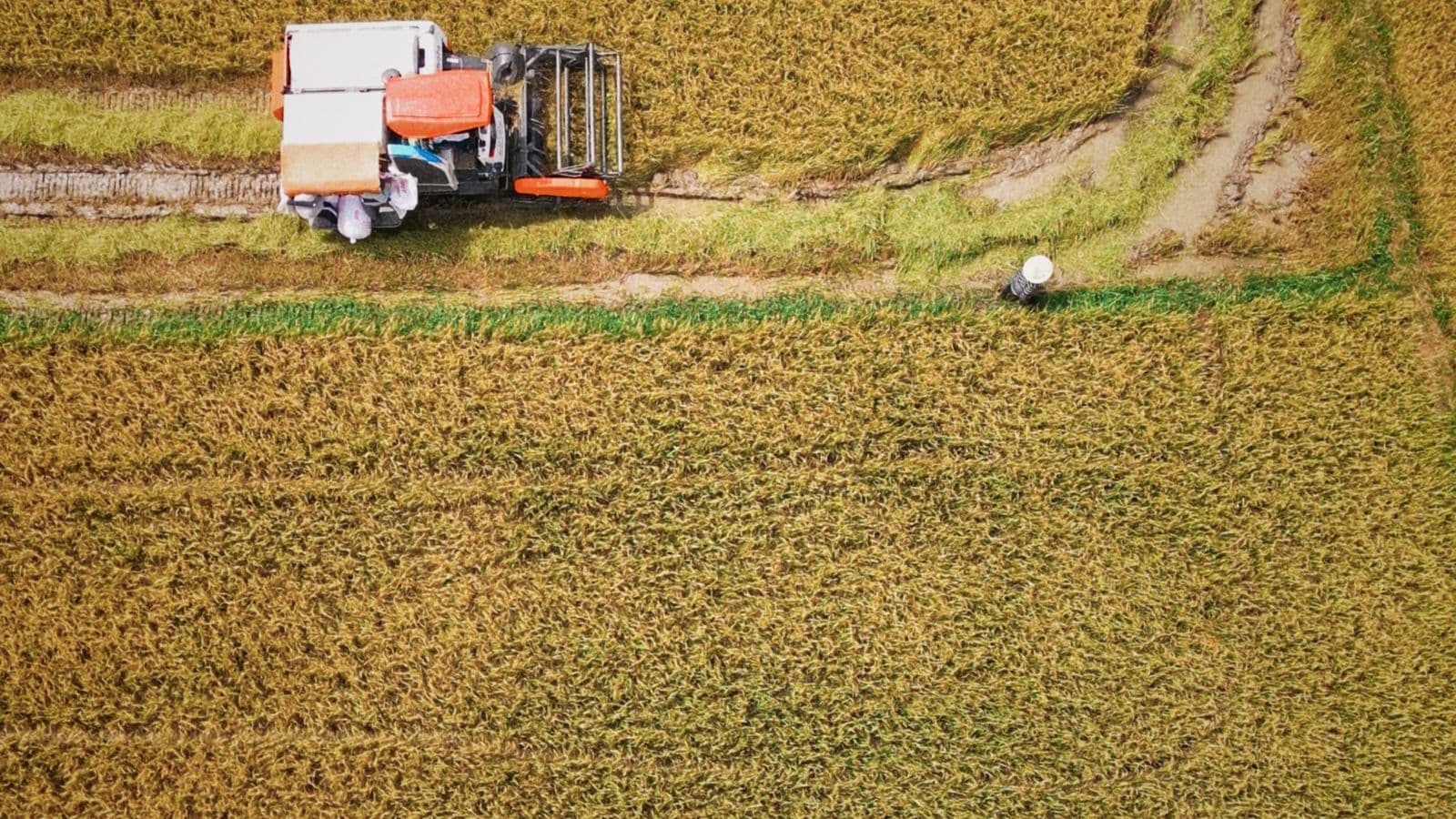
A flat paddy field of harvest-ready rice, the heads turned golden. — illustrative.
- basmati exported by Pakistan in FY2025-26
- 795k t
- minimum milled grain length for basmati under the GI
- 6.5 mm
- new-crop shipments begin after the October–November harvest
- Dec
Source: Pakistan Bureau of Statistics via The Nation, Jul 2026
Figures describe Pakistan’s rice trade, not Bhalwal Global’s shipments. Basmati protected under Pakistan’s Geographical Indications Act, registered 2021.
Origin
From the Kallar tract to your port.
Basmati is not a brand. It is a variety, a place and a set of measurements — and Pakistan registered all three.
Pakistan is one of the four largest rice exporters in the world, and basmati is the part of that trade the country is known for. The variety is protected as a registered Geographical Indication, defined by grain length, aroma and how far it stretches in the pot — and Sargodha, where Bhalwal Global is based, lies inside the notified area.
We supply it as the exporter of record: we source milled, sortex-cleaned rice from mills in the basmati tract of central Punjab and the long-grain districts of Sindh, commission the testing your destination asks for, and handle export documentation through to the port. Grade, form and packing are confirmed against your requirement at quotation.
- Basmati
- Kallar tract, central Punjab: Sheikhupura, Hafizabad, Gujranwala and Sialkot districts.
- Long grain
- Upper Sindh: Larkana and Jacobabad districts, the IRRI belt.
Grades
The grain ladder
Rice is bought by length. Each grade below is drawn to scale against the longest in the catalogue, with the typical raw grain length the trade quotes for it.
Basmati
Super Kernel Basmati
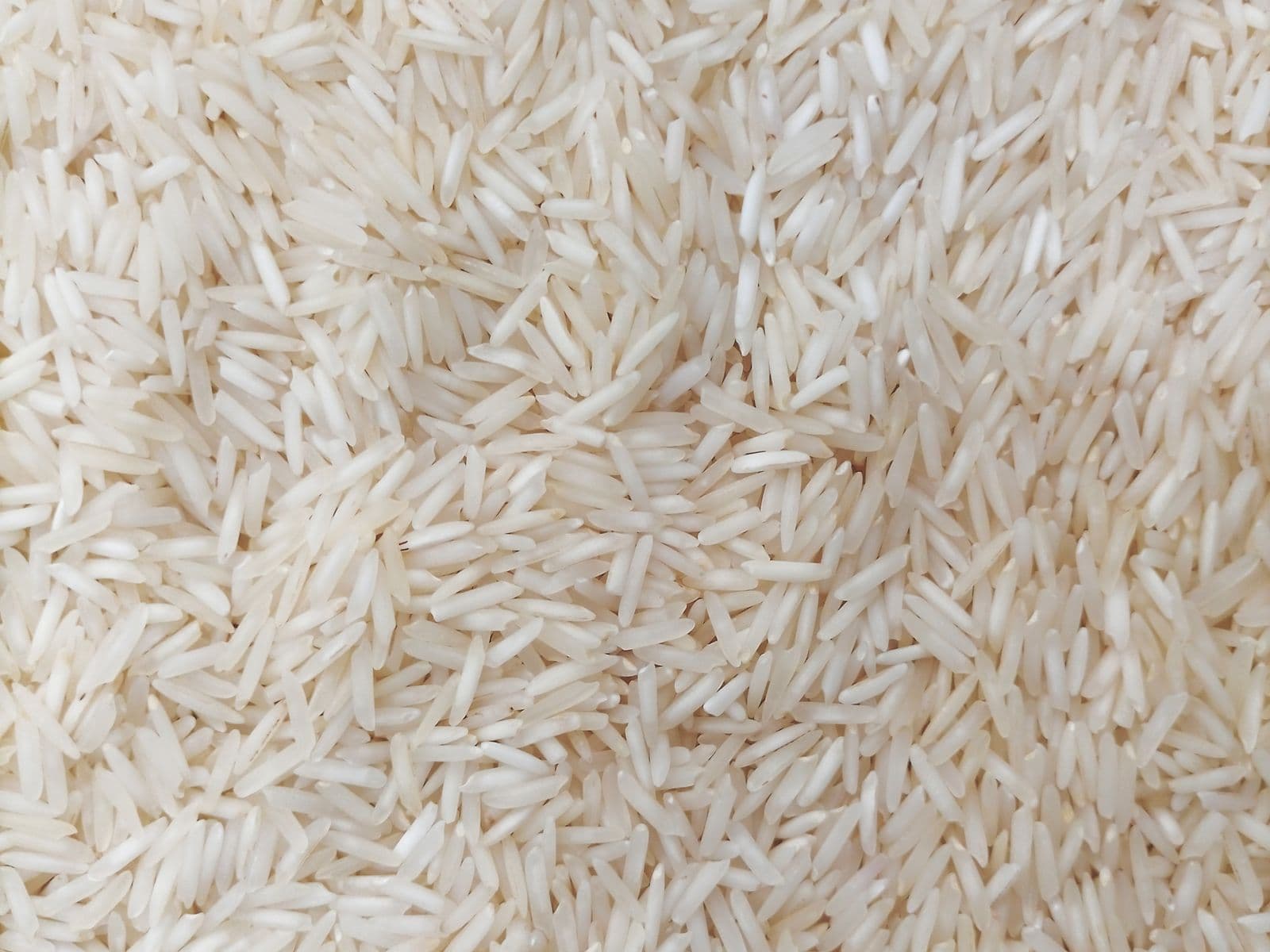
7.2–7.5 mm grain
The variety the Kallar tract is known for: the strongest aroma of the range, and a grain that roughly doubles in length when cooked. White, steam, golden sella or brown.
1121 Basmati
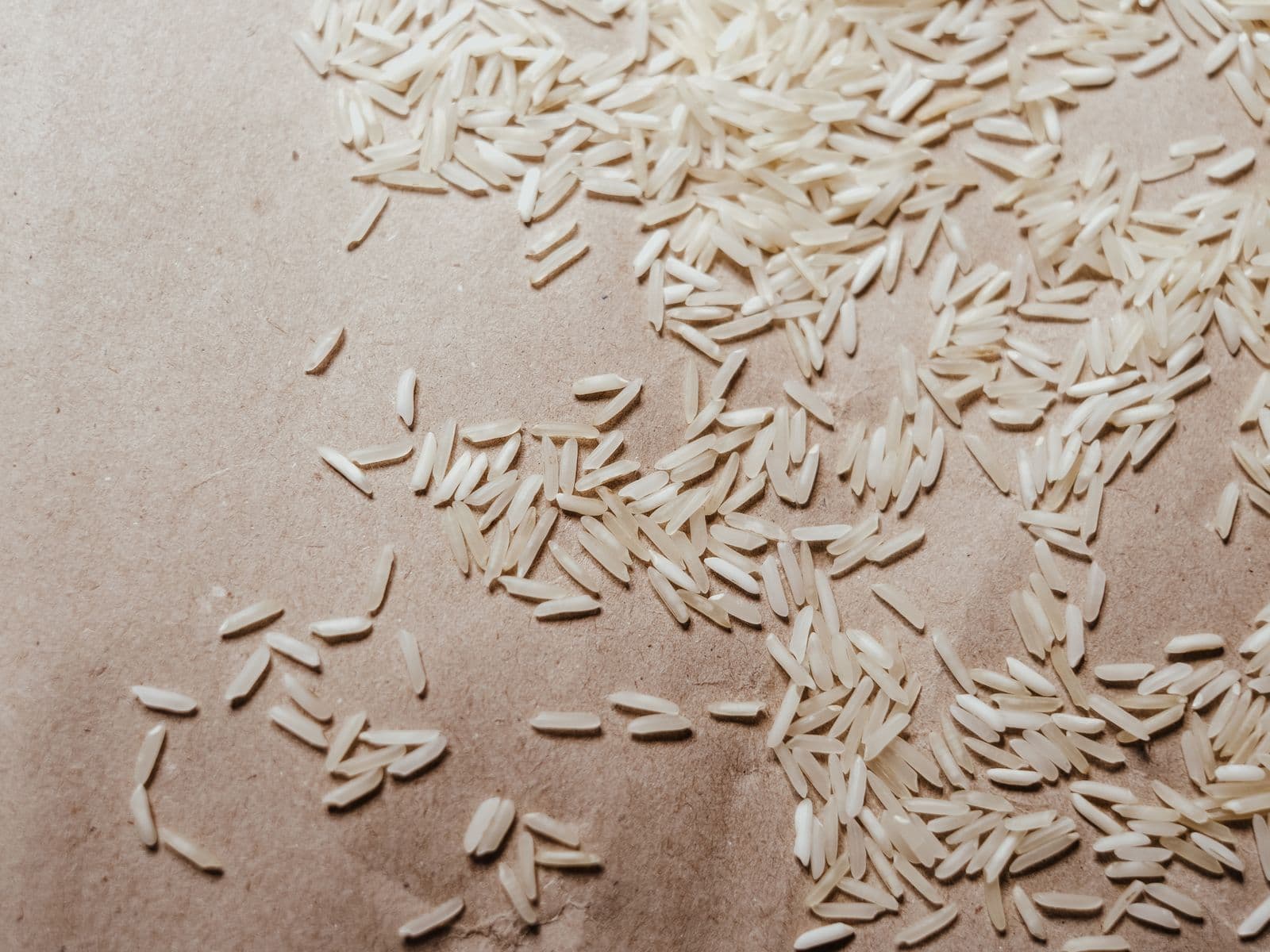
8.0–8.3 mm grain
The longest grain in the trade, for retail packs and biryani where length is what sells. Supplied as steam or sella.
Long grain
PK-386
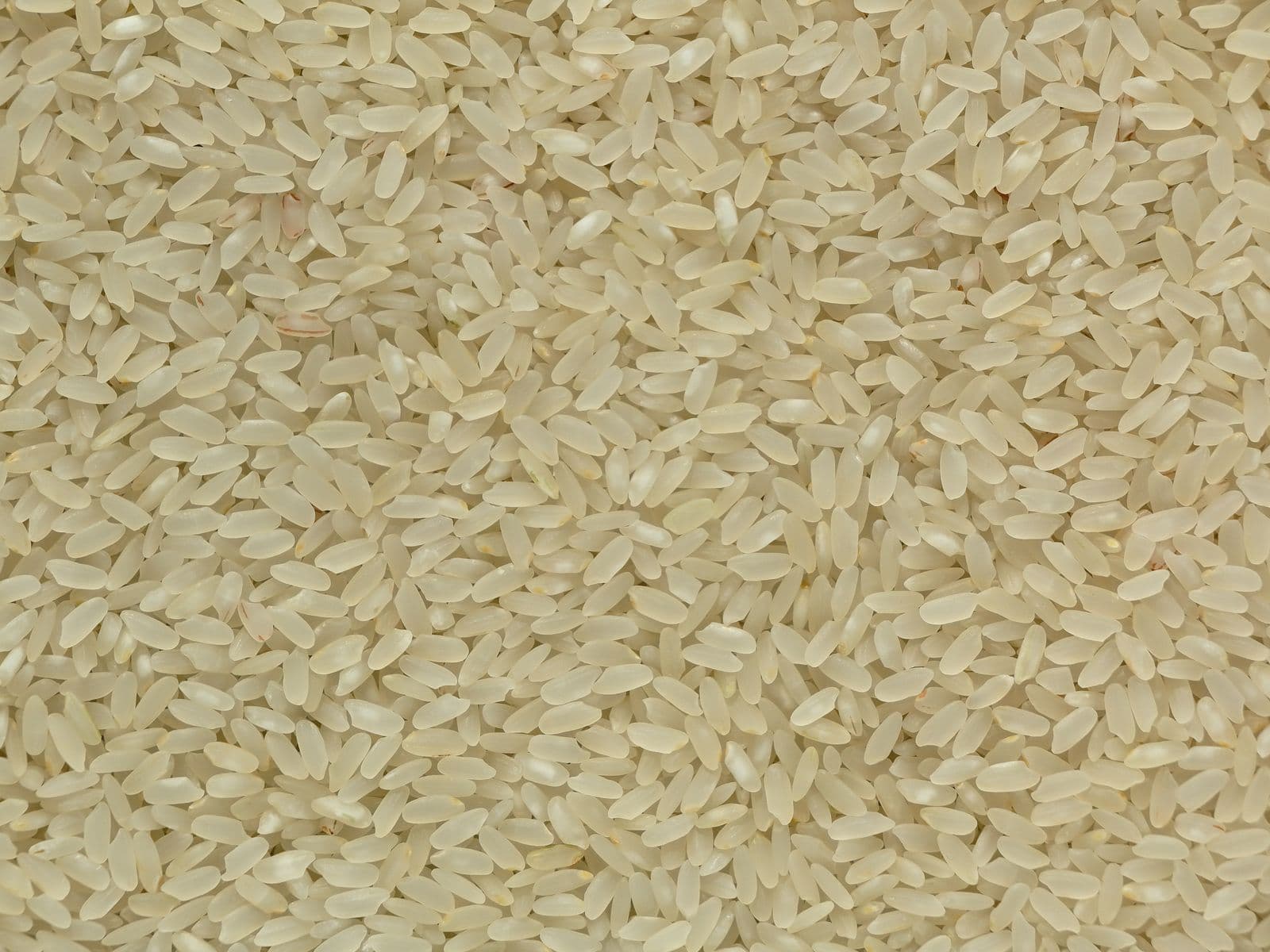
6.8 mm grain
An aromatic long grain from Punjab that cooks separate and fluffy. The catering and food-service choice below basmati pricing.
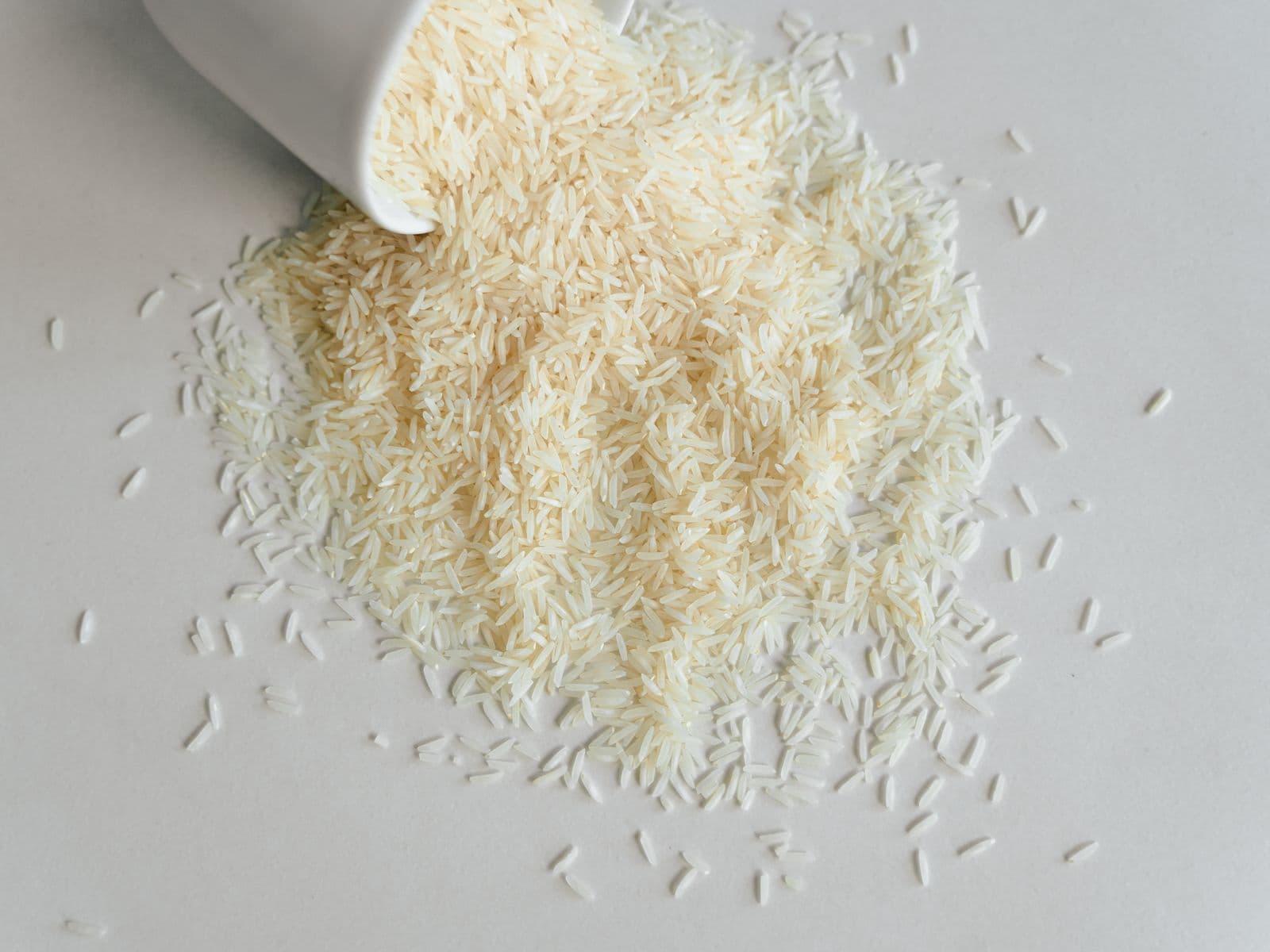
IRRI-6
6.0 mm grain
Pakistan’s volume export grain, grown in upper Sindh. Sold at 5%, 15% or 25% broken, as white, sella or brown.
Broken
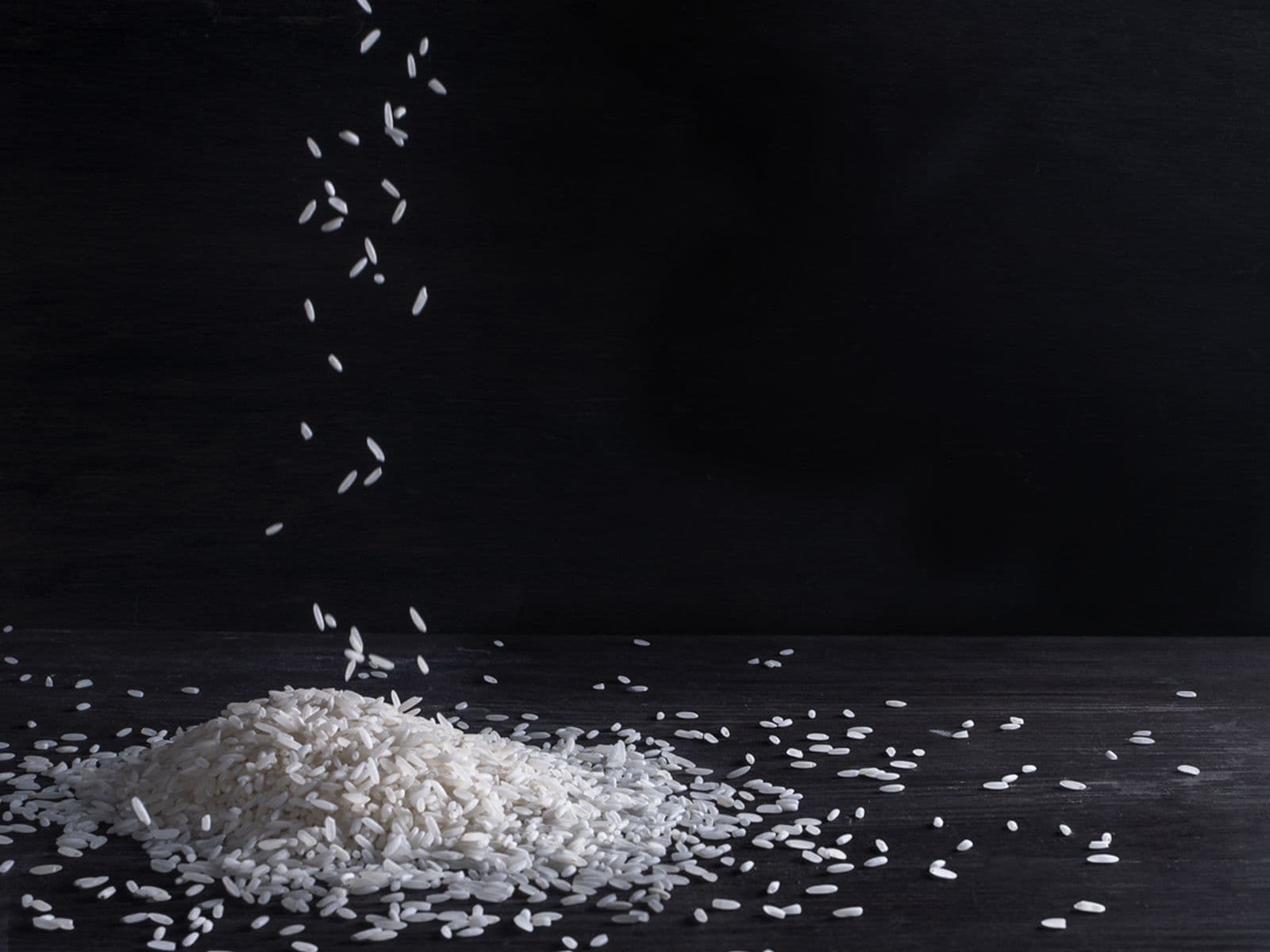
Broken Rice
Size on quote
Sortex-cleaned brokens from the basmati and long-grain lines, for flour, brewing and feed. Sold by broken percentage.
Grade images are illustrative. Grain lengths are typical trade figures — the lot value is stated on the mill certificate.
Forms
Same grain, four ways to mill it.
The variety sets the length and the aroma. The form sets how the grain behaves in the pot and on the buffet — and which market it is for.
01
White
Fully milled and polished raw rice. The most aroma and the softest cooked grain; needs careful cooking to hold its length.
Best for
Retail packs, home cooking, biryani
02
Steam
Paddy is steamed before milling. The grain firms up, stays whole and separate in the pot, and keeps most of its aroma.
Best for
Retail packs, restaurants, pulao
03
Golden sella
Parboiled: soaked, steamed under pressure and dried before milling. Golden in colour, firm and forgiving of long holding on a buffet.
Best for
Catering, food service, Gulf and African markets
04
Brown
Husked but not polished, with the bran left on. The form the EU admits duty-free for listed basmati varieties.
Best for
EU importers, health-food retail, further milling
Season
One crop a year. Book against it.
Rice is transplanted in July and cut in October. Buyers who fix volume before the harvest get first call on the new crop; aged stock is quoted on request.
June
Nursery sown, 1–20 June
July
Transplanted in the first half of the month
Oct–Nov
Harvest; paddy dried to 12–14% moisture
December
New-crop shipments begin
January
Peak month for basmati loadings
What clearance asks
The paperwork behind the grain.
Written for the buyer's side of the transaction. None of it has been reviewed by a clearing agent in the destination country, and the market guides say so.
GI authenticity
Basmati is a registered Geographical Indication in Pakistan. The Trading Corporation of Pakistan inspects mills, verifies traceability to the notified area and issues the authenticity certificate the EU asks for on duty-abated basmati.
Phytosanitary and fumigation
The Department of Plant Protection issues the phytosanitary certificate on inspection, and a licensed fumigator treats the container and certifies it before the seal goes on.
Residues and aflatoxin
The EU applies increased official controls to Pakistani rice, with consignments sampled for pesticide residues and mycotoxins at the border. We screen EU- and UK-bound lots against the destination MRL schedule before they load, so a rejection at Rotterdam is not the first time anyone looked.
Purity for the label
The UK Basmati Code of Practice sets 97% varietal purity to call a pack basmati. Purity is stated on the mill certificate and can be checked by an independent laboratory before shipment.
Specification
Technical specification
Values marked “On quote” are confirmed against your requirement at quotation rather than published as an estimate.
| Product | Milled rice — basmati and long-grain; white, steam, golden sella and brown |
|---|---|
| Country of origin | Pakistan |
| Source regions | Kallar tract, central Punjab (basmati); upper Sindh (long-grain) |
| Basmati GI status | Registered Geographical Indication — IPO Pakistan, 2021. Sargodha lies within the notified area |
| Grain length | Basmati ≥ 6.5 mm milled (GI specification); Super Kernel 7.2–7.5 mm, 1121 8.0–8.3 mm typical |
| Length-to-breadth ratio | ≥ 3.5 for basmati (GI specification) |
| Cooked elongation | ≥ 1.7× for basmati (GI specification) |
| Forms | White, steam, golden sella (parboiled), brown |
| Broken | Basmati ≤ 2% typical; long-grain sold at 5%, 15% or 25% |
| Moisture | 12–14% (GI drying specification); per-lot value on the mill certificate |
| Purity | On quote |
| Sortex cleaning | On quote |
| Residue testing | Tested per lot against the destination’s MRL schedule — EU and UK lots screened for pesticide residues and aflatoxin before shipment |
| Crop | New crop from December; aged stock on request |
| HS / PCT code | 1006.3010 basmati · 1006.3090 other milled · 1006.2000 brown · 1006.4000 broken |
| Port of loading | Karachi or Port Qasim, Pakistan |
| Incoterms | FOB, CIF |
| Container basis | 1 × 20 ft FCL — approx. 25 MT; 1 × 40 ft FCL — approx. 26–27 MT, weight-limited |
| MOQ | 1 × 20 ft FCL (approx. 25 MT) |
| Shelf life | On quote |
| Lead time | On quote |
Packaging
How it ships
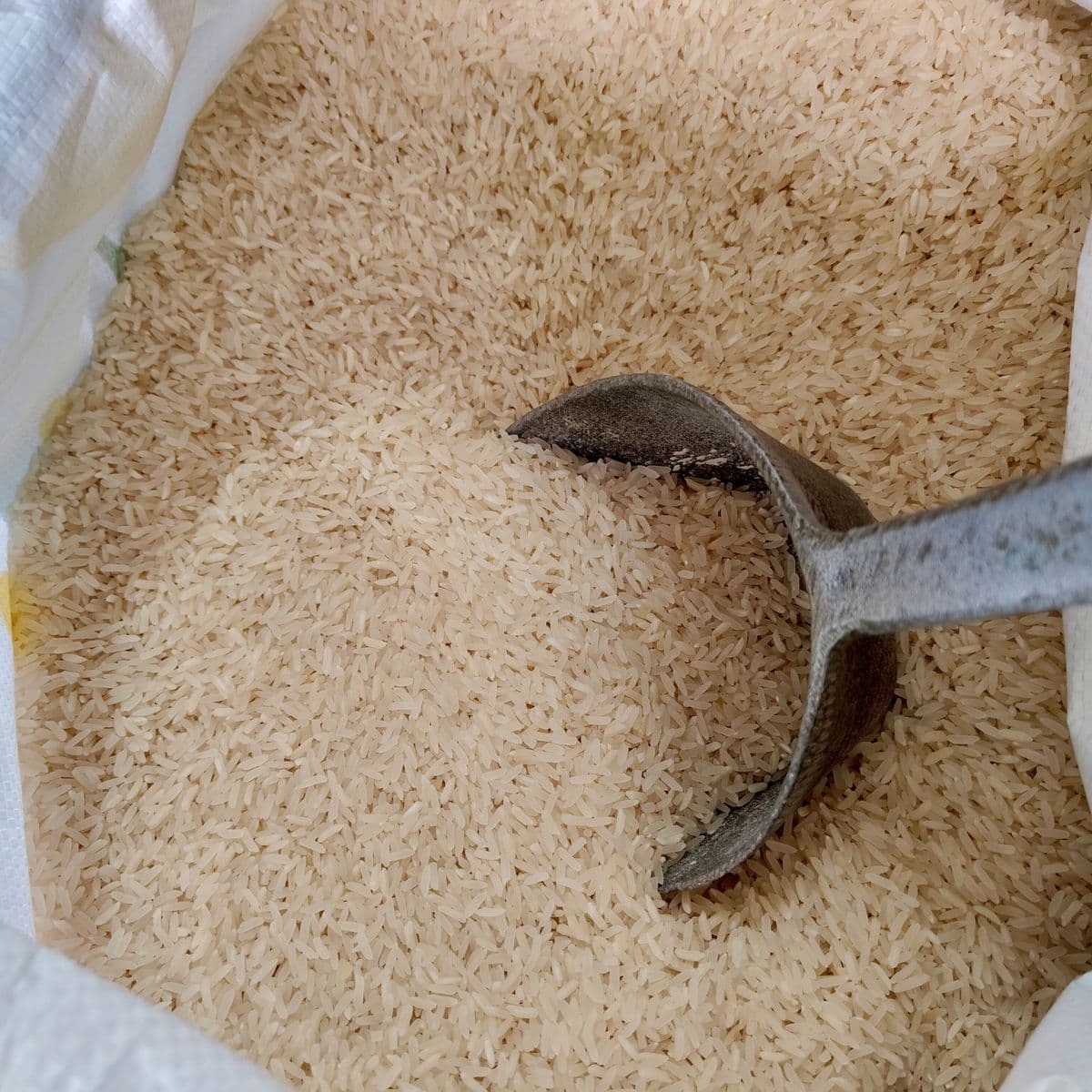
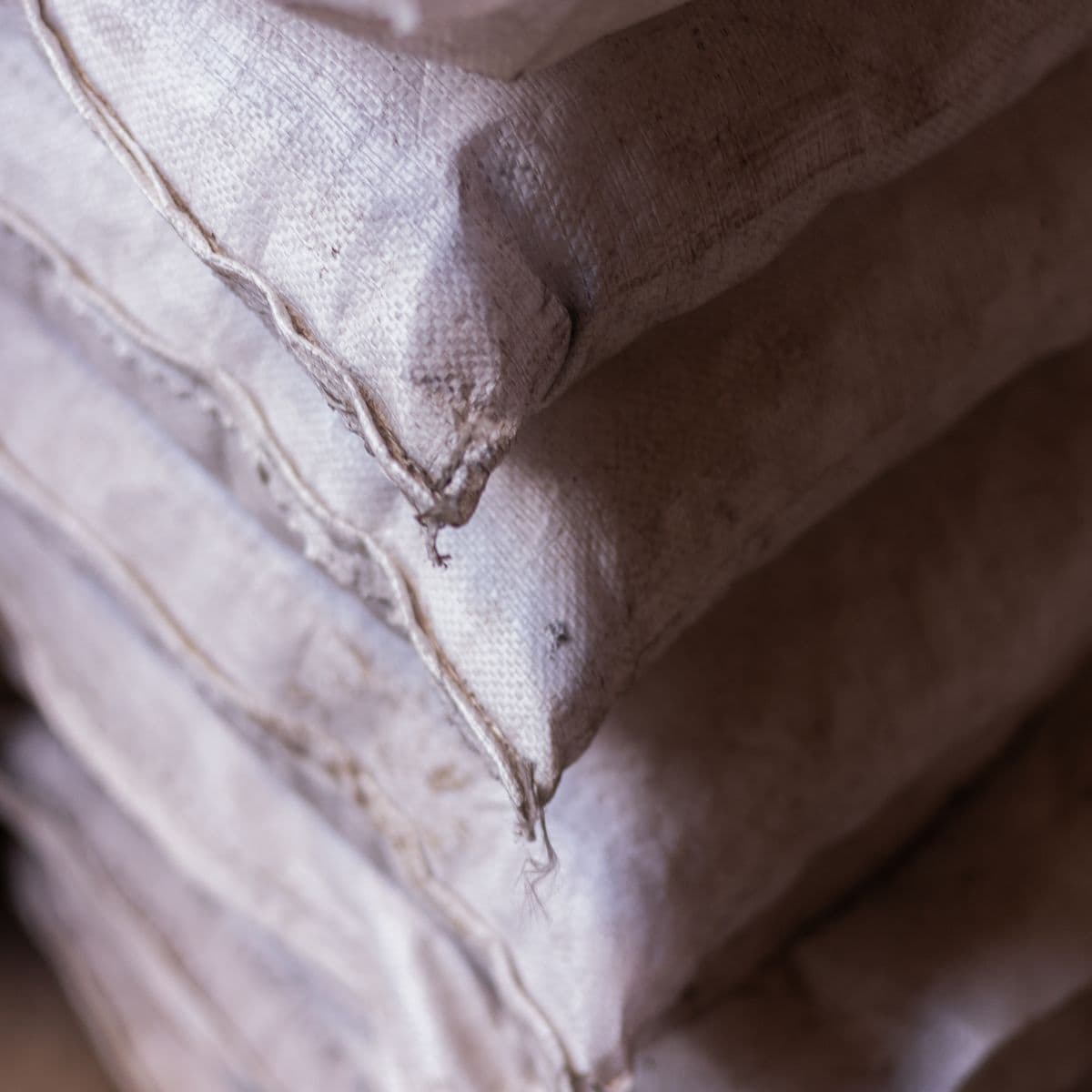
- Bags from 5 kg to 50 kg — woven polypropylene, jute or non-woven
- Private label to your artwork
- Loose-loaded or palletised to container
Documentation
What ships with it
- Commercial invoice
- Packing list
- Bill of lading
- Certificate of Origin
- Phytosanitary certificate — Department of Plant Protection
- Fumigation certificate
- Third-party inspection and laboratory report on request
Additional documentation is prepared on request against your import requirements.
Tell us what you need.
Send the grade, the form, the bag size, the quantity and your port. We confirm what the mill can supply against it and quote FOB Karachi or CIF, with the documentation your destination asks for listed on the quotation.